Components of grid-connected solar systems
Grid-tied solar systems typically consist of several components:

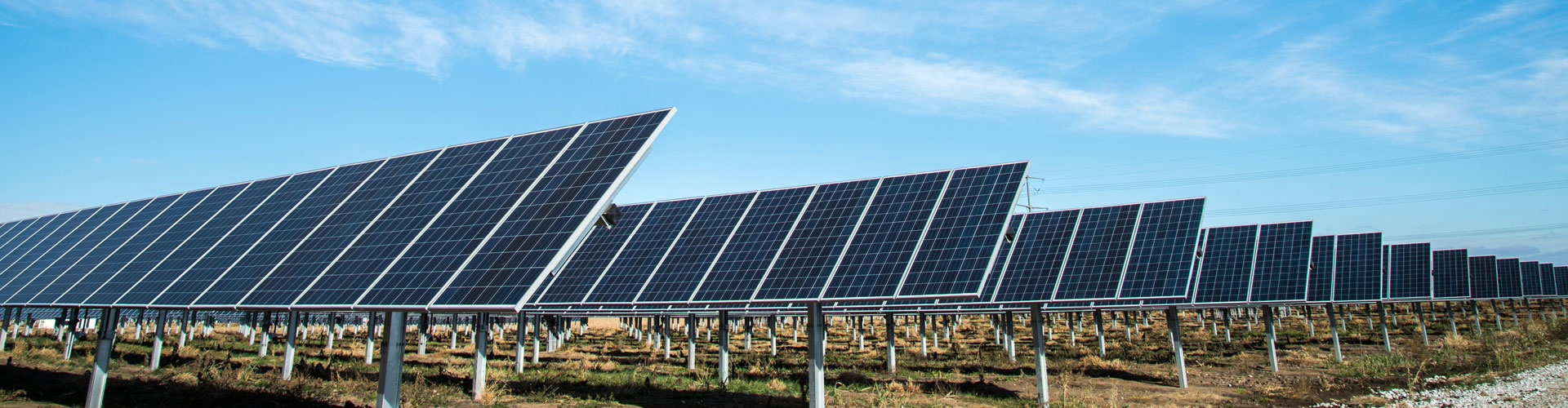
Solar panels

These are the main components of the system. They capture sunlight and convert it into electricity, which is then powered by different appliances based on their power needs.

Mounting structure

Solar panels need to be securely mounted on structures such as roofs to ensure proper orientation and angle to maximize sunlight absorption.

Inverter

This device converts direct current (DC) from solar panels into alternating current (AC). In grid-tied solar systems, inverters are essential for synchronizing the electricity generated by solar panels with the grid.

Grid connection

The grid-connected solar system is connected to the local grid. This connection can send excess electricity to the grid when household electricity exceeds demand; When solar power is insufficient, electricity can be drawn from the grid.

Net table

Utilities install net meters to measure the flow of electricity in both directions from the grid to the home and from the home to the grid. This allows for accurate billing based on net consumption or output of power.

Monitoring system

Some grid-connected systems include monitoring systems that allow homeowners to track the performance of their solar panels, including power generation and system health.

Wires and conduits

Proper wiring and conduit are required to connect solar panels and other components safely and efficiently.

battery

Some solar kits include batteries to store excess solar energy for later use. This helps improve your energy efficiency and independence.

These components work together to harness solar energy and integrate it seamlessly with existing grid infrastructure.


 Position: Home /
News
Position: Home /
News